Summer Car Care: Protect Your Vehicle in Bay Area Heat
The best summer car protection combines ceramic window tint (blocking 99% UV and rejecting 40-60% heat), ceramic coating (preventing UV oxidation and making cleaning easier), and smart parking habits. While coastal areas stay mild, inland cities like Gilroy regularly hit 100°F+, putting vehicles at serious risk of heat damage.
Bay Area summers bring unique challenges that many drivers underestimate. That temperature difference between San Francisco's 65°F and Gilroy's 102°F on the same afternoon can catch your vehicle protection off guard. Here's the complete guide to keeping your car safe, comfortable, and looking great through the hot months.
Understanding Bay Area Summer Heat Damage
The Invisible Threat: UV Radiation
Even on cooler coastal days, UV radiation damages vehicles constantly:
| Damage Type | Timeframe | Repair Cost |
|-------------|-----------|-------------|
| Dashboard cracking | 2-4 years unprotected | $500-$2,000 replacement |
| Leather seat fading | 1-3 years | $1,000-$4,000 reupholster |
| Clear coat oxidation | 3-5 years | $500-$2,000 correction |
| Steering wheel degradation | 2-4 years | $200-$800 rewrap |
| Trim fading/brittleness | 1-3 years | $300-$1,500 replacement |
UV damage occurs year-round, but accelerates dramatically in summer when intensity increases 25-40% over winter levels.
Interior Temperature Extremes
Parked vehicles in direct sun experience dramatic temperature increases:
- Exterior 85°F: Interior reaches 120°F in 30 minutes
- Exterior 95°F: Interior reaches 140°F in 30 minutes
- Exterior 105°F: Interior reaches 160°F+ in 30 minutes
At these temperatures:
- Plastics warp and off-gas
- Leather and vinyl crack from moisture loss
- Electronics can malfunction or suffer reduced lifespan
- Adhesives weaken (trim, screens, badges)
Paint and Exterior Damage
Summer sun attacks exterior surfaces:
- Bird droppings: Etch paint in 2-4 hours (vs 24+ hours in winter)
- Tree sap: Bonds permanently within hours
- Water spots: Mineral etching from irrigation and spotty rain
- Pollen: Can chemically bond to clear coat if left
Preparing Your Car for Bay Area Summer
Interior Protection Priority List
The threat: UV rays fade and crack dashboards, seats, and trim.
Solution 1: Window Tint - The most effective interior protection
- Blocks 99% UV rays on all windows
- Reduces interior temperatures by 15-25°F
- Cuts glare for comfortable driving
- Ceramic film offers maximum heat rejection without dark appearance
Solution 2: Sunshades - Essential for parked vehicles
- Use reflective sunshades on windshield and rear window
- Side window shades protect leather seats
- Custom-fit shades offer best coverage
Solution 3: Interior Protectant - Regular maintenance
- Apply UV-blocking products on vinyl and plastic
- Condition leather monthly to prevent drying
- Use dashboard covers for extreme protection
Solution 4: Leather and Vinyl Conditioning
- Summer heat draws moisture from leather
- Condition every 2-4 weeks during hot months
- Use products with UV inhibitors
- Prevents cracking, fading, and premature aging
Damage prevention tips:
- Park in shade when possible (even partial shade helps)
- Crack windows slightly (if safe) for ventilation
- Cover steering wheel if it gets too hot to touch
- Never leave electronics on dash or seats
Exterior Paint Protection
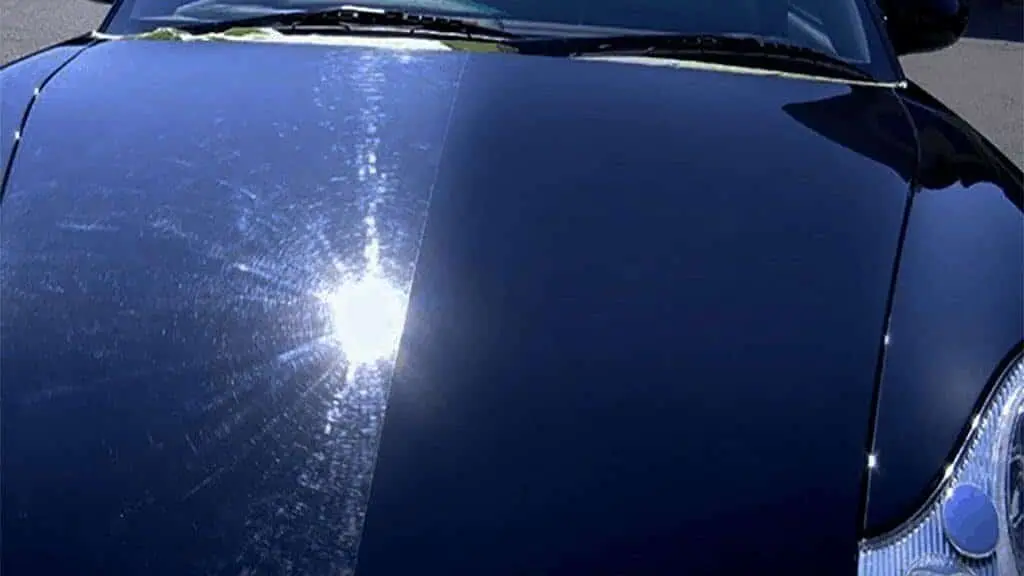
The threat: UV oxidizes clear coat, bird droppings etch faster in heat, and water spots become permanent more quickly.
Solution 1: Ceramic Coating - Best long-term protection
- Creates UV-resistant barrier on paint
- Hydrophobic surface sheds water and contaminants
- Easier cleaning means less contact damage
- 2-5 year protection with proper maintenance
Solution 2: PPF on Exposed Areas
- Physical barrier against all damage types
- Self-healing removes minor scratches
- Protects from rock chips on summer road trips
- Essential for front-end protection
Solution 3: Regular Washing - Critical in summer
- Remove contaminants before they bake on
- Wash every 1-2 weeks minimum
- Address bird droppings and tree sap immediately
- Rinse thoroughly to prevent water spots
Solution 4: Wax or Sealant - Entry-level protection
- Provides UV protection for 1-3 months
- Better than nothing, but not ideal for severe heat
- Reapply more frequently in summer
Summer washing best practices:
- Wash in morning or evening (avoid hot panels)
- Rinse thoroughly before washing to remove loose particles
- Don't let soap dry on surface
- Dry immediately to prevent water spots
- Use touchless wash or two-bucket method
Window Tint for Heat Reduction
Summer benefits of ceramic tint:
| Feature | Benefit |
|---------|---------|
| Heat rejection | Cabin stays 15-25°F cooler |
| UV protection | Prevents 99% of fading damage |
| Glare reduction | Safer, more comfortable driving |
| A/C efficiency | Reduced runtime saves fuel |
| Privacy | Keeps valuables hidden |
Even legal 70% VLT ceramic film significantly reduces heat while maintaining clear visibility. For maximum heat rejection, consider:
- 35% VLT on rear windows (legal in CA)
- 70% VLT ceramic on front windows
- Clear ceramic strip on windshield (legal above AS-1 line)
Tire and Wheel Care
Summer threats:
- Hot pavement increases tire wear by 15-25%
- Brake dust bakes onto wheels becoming permanent
- UV damages tire sidewalls causing cracking
- Underinflated tires fail more frequently in heat
Protection strategies:
- Check tire pressure weekly (heat expands air)
- Apply wheel coating for easier brake dust removal
- Use tire dressing with UV protection
- Inspect for cracks, bulges, or uneven wear
- Rotate tires at start of summer
Battery and Cooling System
Heat stresses mechanical systems:
- Batteries fail faster in extreme heat than cold
- Coolant works harder under thermal load
- A/C system runs at maximum capacity
- Belts and hoses degrade faster
Pre-summer maintenance checklist:
- Test battery health before summer heat
- Check coolant level and condition
- Inspect belts and hoses for cracks
- Verify A/C is working properly
- Check radiator cap seal
Smart Summer Parking Strategies
Best practices for minimizing heat damage:
- Choose shaded spots when available - Even partial shade reduces interior temps by 20-30°F
- Park facing east in the afternoon - Less direct sun on dashboard
- Leave windows cracked if safe - Even 1/2 inch allows hot air to escape
- Use windshield sunshade always - Reduces interior temp by 15-25°F
- Consider remote start for pre-cooling - Cool cabin before entering
- Use garage whenever possible - Best protection from all summer threats
Parking Structure Considerations
Multi-level structures offer protection but present their own challenges:
- Upper levels are often hotter (heat rises)
- Concrete structures can reflect heat
- Covered lower levels are usually coolest
- Watch for water drainage patterns that cause spotting
When to Schedule Professional Services
Before Summer (March-May)
Schedule these services before heat arrives:
- Window tint installation
- Ceramic coating application
- A/C inspection and service
- Full detail to remove spring pollen
Why timing matters: Ceramic coating requires 24-48 hours cure time in controlled conditions. Scheduling before extreme heat ensures proper bonding.
During Summer
Ongoing maintenance services:
- Regular washes (every 2 weeks)
- Interior detailing as needed
- Ceramic coating maintenance spray
- Spot cleaning for bird droppings/tree sap
End of Summer
Prepare for fall transition:
- Full inspection for heat damage
- Paint correction if needed
- Coating refresh if wear is visible
- Interior deep clean
DIY Summer Protection Tips
Quick Daily Habits
- Park in shade when running errands
- Use sunshade on every stop
- Remove sunglasses and valuables (prevent dashboard damage from objects)
- Quick wipe of bird droppings with detailer spray
Weekly Maintenance
- Check tire pressure
- Wash exterior or rinse off dust
- Wipe interior surfaces
- Check for any damage needing attention
Monthly Tasks
- Condition leather and vinyl
- Apply tire dressing
- Inspect for paint damage
- Clean floor mats
Ready to Beat the Heat?
Professional protection makes summer car care effortless. Our services protect your investment while keeping you comfortable:
📞 Ready for summer? Get protected now
Frequently Asked Questions
How much cooler will my car be with window tint?
Quality ceramic window tint reduces interior temperatures by 15-25°F compared to untinted windows. On a 100°F day, that means your interior might reach 130°F instead of 155°F—a significant difference in comfort and damage prevention. Ceramic films provide the best heat rejection without going excessively dark.
Should I get ceramic coating before or after summer?
Before summer is ideal. Ceramic coating needs 24-48 hours of controlled cure time before exposure to extreme conditions. Applying before summer ensures the coating is fully bonded and provides maximum protection during the hottest months. However, coating can be applied any time with proper cure conditions.
Will window tint protect my dashboard from cracking?
Yes. Window tint blocks 99% of UV rays, which is the primary cause of dashboard cracking, fading, and warping. Combined with a quality sunshade when parked, window tint dramatically extends interior life. Many vehicles see 3-5 additional years of dashboard life with proper protection.
How often should I wash my car in summer?
Wash every 1-2 weeks during summer, or immediately after bird droppings, tree sap, or heavy pollen exposure. In hot weather, contaminants etch paint faster—bird droppings can cause permanent damage in just 2-4 hours on a hot surface. Regular washing prevents buildup that becomes harder to remove.
Is it bad to wash my car in the sun?
Yes, avoid washing in direct sunlight or on hot surfaces. Water and soap dry quickly on hot paint, leaving spots and potentially causing chemical etching. Best washing times: early morning or evening when surfaces are cool to the touch. If you must wash midday, keep surfaces wet and work in sections.
Do I need window tint if I always park in a garage?
Even garage-parked vehicles benefit from window tint because driving exposure adds up. A 30-minute commute each way means an hour of direct sun exposure daily. Tint also provides comfort while driving, privacy, glare reduction, and shatter protection. Consider it essential protection for any regularly driven vehicle.
What's the best window tint percentage for summer heat?
For maximum heat rejection while remaining legal in California:
- Windshield: 70-80% VLT ceramic film (above AS-1 line if desired)
- Front doors: 70% VLT (legal minimum in CA)
- Rear doors: 15-35% VLT (no restriction)
- Rear window: 15-35% VLT (no restriction)
Ceramic films in lighter shades still reject significant heat while maintaining visibility.
How do I remove tree sap without damaging paint?
For tree sap removal on protected surfaces:
- Soften first: Apply rubbing alcohol, hand sanitizer, or dedicated sap remover
- Wait 2-3 minutes: Let product soften the sap
- Gently wipe: Use microfiber cloth with light pressure
- Wash area: Clean residue with car wash soap
- Apply protection: Reapply wax or spray sealant if needed
For ceramic-coated vehicles, use coating-safe products only. Never scrape sap with fingernails or hard objects.
Visit the Experts in Gilroy
Blackout Window Tinting is the Bay Area's premier choice for premium auto protection. Based in Gilroy at 610 Holloway Rd (behind Target), we've served the South County and Silicon Valley area for over 33 years. Whether you're coming from Morgan Hill, Hollister, or anywhere else in the Bay Area, we're your trusted local source for professional window tint, PPF, and ceramic coating.
📞 Questions? Call us at 408-848-8468 or get a free quote online.