Window Tinting
How Heat Rejection Films Can Slash Your AC Bill This Summer (Real Numbers Inside)
Blackout Window Tinting
7 min read
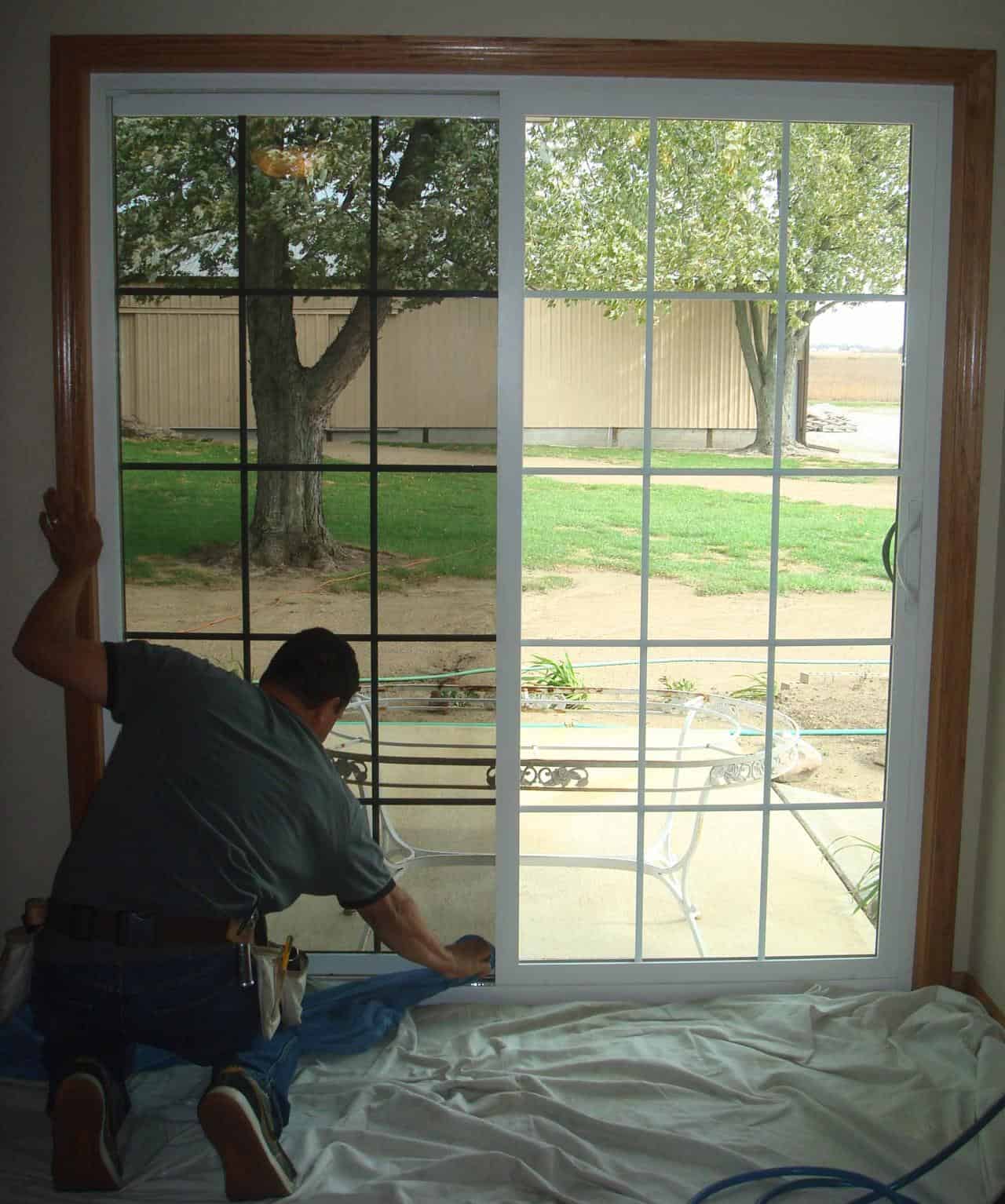
Heat rejection window films can cut cooling costs 15-30%. See real energy savings calculations for Bay Area homes and vehicles with ceramic and IR-blocking films.
Last July, a Los Gatos homeowner called us in desperation.
His west-facing home office was hitting 95°F by 3pm—even with AC running full blast. His PG&E bill? $847 for the month. His AC unit was struggling. His energy company was winning.
We installed ceramic heat rejection film on his office windows. The result?
- Room temperature dropped 18°F during peak sun
- AC ran 40% less
- August bill: $612
That's $235 saved in one month. The film paid for itself in 8 weeks.
The Science: How Heat Gets Into Your Space
Before we talk solutions, understand the problem:
The Three Types of Heat Transfer
Solar radiation hits your windows. That energy splits into:
-
Visible light (~44% of solar energy)
- What you see; brightens your space
- Some becomes heat when absorbed by objects
-
Infrared (IR) radiation (~53% of solar energy)
- Invisible heat energy
- Passes through glass and heats everything inside
-
UV radiation (~3% of solar energy)
- Causes fading and skin damage
- Not much heat, but highly destructive
Standard glass blocks almost none of this. Your windows are essentially holes in your insulation.
What Heat Rejection Films Do
Quality heat rejection films use nano-ceramic or metalized particles to:
- Reflect IR radiation back outside
- Absorb IR before it enters
- Block UV rays (99%+)
- Allow visible light through (so it's not dark inside)
The result: cooler interior, less AC load, lower bills.
Heat Rejection Film Performance Levels
Not all window films are created equal:
| Film Type | IR Rejection | Visible Light | Best For |
|---|---|---|---|
| Dyed film | 20-35% | Any shade | Appearance only |
| Metalized film | 45-65% | Limited | Performance on a budget |
| Ceramic film | 70-85% | Wide range | Maximum performance |
| Ceramic IR film | 85-97% | Clear to dark | Premium performance |
The sweet spot: Modern ceramic films can reject 85%+ of infrared heat while remaining nearly invisible.
Real Energy Savings: Calculated
Let's do the math for typical Bay Area scenarios:
Home Office (150 sq ft window area, west-facing)
Before film installation:
- AC runs 8 hours/day during summer
- Estimated cooling cost: $180-250/month
- Room temperature: 85-95°F despite AC
After ceramic film (80% IR rejection):
- AC runs 4-5 hours/day
- Cooling cost: $90-140/month
- Room temperature: 72-78°F comfortably
Monthly savings: $90-110 Film cost: $800-1,200 Payback period: 8-12 months
Living Room (200 sq ft window area, south-facing)
Before film:
- AC struggles to maintain 75°F
- Hot spots near windows
- Furniture fading
After ceramic film:
- AC easily maintains 72°F
- Even temperature throughout
- 99% UV blocking protects furniture
Monthly savings: $60-90 Film cost: $1,200-1,800 Payback period: 14-22 months
Full House (1,000 sq ft window area)
Before film:
- Average summer electric bill: $400-600
- Multiple hot rooms
- AC runs constantly
After whole-home film:
- Average summer bill: $280-420
- Consistent comfort
- AC cycles normally
Monthly savings: $120-180 Film cost: $4,000-8,000 Payback period: 2-4 years
Vehicle Heat Rejection: Even More Dramatic
Cars trap heat even faster than homes. We've measured interior temperatures of 140°F+ in parked Bay Area vehicles.
Tesla Model Y (Glass Roof Challenge)
Without treatment:
- Interior reaches 130°F+ in 30 minutes
- AC runs at maximum constantly
- Range reduced 5-15% in summer
- Leather burns your legs
With ceramic roof + window tint:
- Interior peaks at 95-105°F
- AC reaches target quickly
- Range impact minimized
- Comfortable to enter
EV-specific benefit: Every BTU your AC doesn't have to remove is energy that goes to the wheels. Tesla owners report 5-10% range improvement in hot weather with quality tint.
Cost/Benefit for Vehicles
| Vehicle Type | Full Ceramic Tint Cost | Annual AC Fuel/Energy Savings | Comfort Value |
|---|---|---|---|
| Compact car | $400-$600 | $50-100 | High |
| SUV/Crossover | $500-$800 | $100-150 | Very High |
| EV (Tesla, Rivian) | $600-$900 | $150-300 (range) | Essential |
| Work truck | $500-$700 | $75-125 | Productivity |
The real value: Comfort is harder to quantify than energy savings. Being able to enter your car without burning yourself? Priceless.
How to Maximize Heat Rejection ROI
For Homes
Prioritize these windows first:
- West-facing (afternoon sun = worst heat)
- South-facing (longest sun exposure)
- Large picture windows (most heat gain)
- Home office / main living areas (most used)
Skip for last:
- North-facing (minimal direct sun)
- Small bathroom windows
- Rarely-used rooms
For Vehicles
Get these treated:
- Windshield (clear ceramic IR film)
- Front side windows (clear or light ceramic)
- Roof glass (if applicable)
- Rear windows (can go darker)
The windshield is key: 60%+ of cabin heat enters through the windshield. A clear IR-blocking film on the windshield makes more difference than dark rear windows.
Common Heat Rejection Myths
Myth: "Darker = better heat rejection"
Reality: Shade darkness and heat rejection are different properties. A nearly invisible ceramic film can reject more heat than limo tint.
Myth: "Quality film makes it dark inside"
Reality: Modern films reject heat while maintaining 50-70% visible light. Your home stays bright.
Myth: "Window film will damage windows"
Reality: Quality film actually protects glass from thermal stress and adds shatter resistance.
Myth: "Film doesn't work on dual-pane windows"
Reality: It works fine—but installation requires expertise to avoid seal damage.
Myth: "I can get the same results with DIY film"
Reality: Consumer-grade films rarely exceed 40% IR rejection. Professional ceramic films hit 85-97%.
Heat Rejection Films We Install
At Blackout Window Tinting, we use only proven, warranty-backed films:
For Vehicles
- LLumar IRX Series: Up to 97% IR rejection, signal-friendly
- 3M Ceramic IR: Premium clarity, excellent heat blocking
- XPEL XR Plus: High performance, great warranty
For Homes/services/commercial-window-tinting
- LLumar Vista Films: Residential-grade, various performance levels
- 3M Prestige Series: Near-invisible, premium heat rejection
- SunTek Symphony: Value-focused with solid performance
All backed by manufacturer warranties transferable to the next owner.
Is Heat Rejection Film Worth It?
Let's be honest about who benefits most:
Best ROI:
- West or south-facing windows
- Large window areas
- Hot climates (Bay Area qualifies)
- High AC usage
- Electric vehicles
Lower ROI:
- North-facing or shaded windows
- Mild climates
- Minimal AC usage
- Small window areas
For most Bay Area homes and all vehicles, the math works out. The film pays for itself, then keeps saving money for 15-25 years.
Get Your Custom Heat Rejection Quote
Every building and vehicle is different. Let us calculate your specific savings potential.
📞 Request a free quote — we'll assess your windows and provide projected savings.
📍 Visit us in Gilroy — see and feel the difference heat rejection film makes.
Heat Rejection FAQs
How long does window film last?
Quality automotive films last 10-15 years. Residential films last 15-25 years with proper care.
Does window film affect plant growth?
Film reduces some light, but most plants adapt fine. Succulents and high-light plants may need relocation closer to untinted windows.
Can I open windows with film installed?
Yes—film is applied to the inside surface and doesn't interfere with window operation.
Will film make my house look dark from outside?
During the day, reflective films create a mirror effect from outside while maintaining view from inside. At night, visibility reverses (that's why curtains exist).